Portable Generator Hookup: Interlock Kit or Transfer Switch
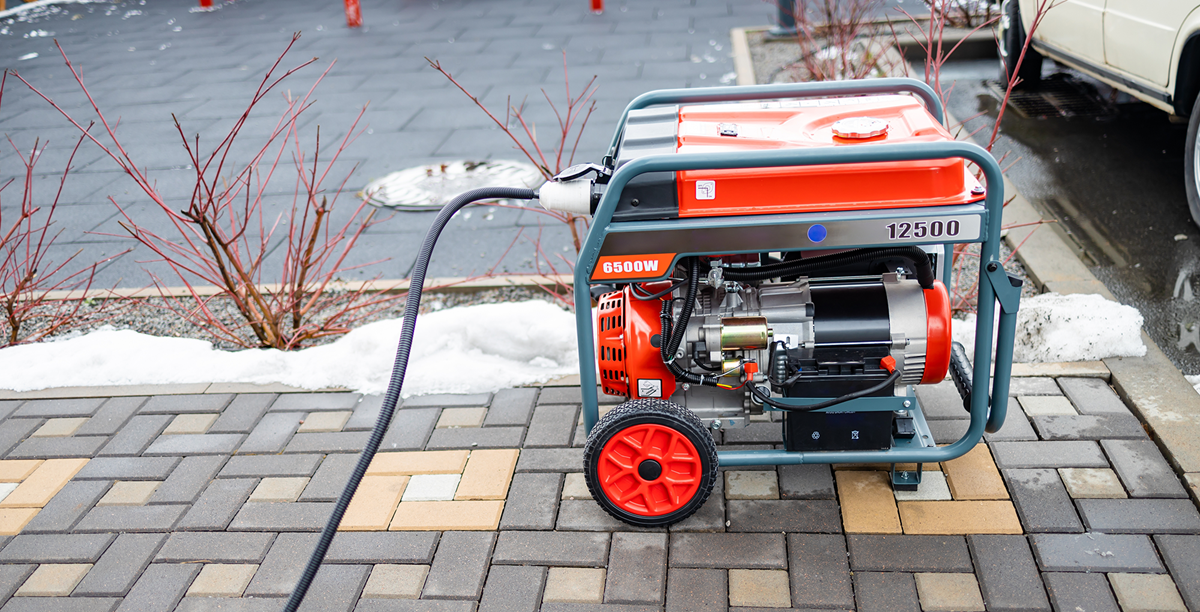
If you already own a portable generator, or you are planning to buy one, Chase Electric installs the code-compliant hookup that lets you safely power your home from it. There are two ways to do it: a panel interlock kit or a manual transfer switch. We install both across Southern Maine, and which one is right depends on your panel, your generator, and how you want to manage loads during an outage.
Option 1: Generator Interlock Kit Installation
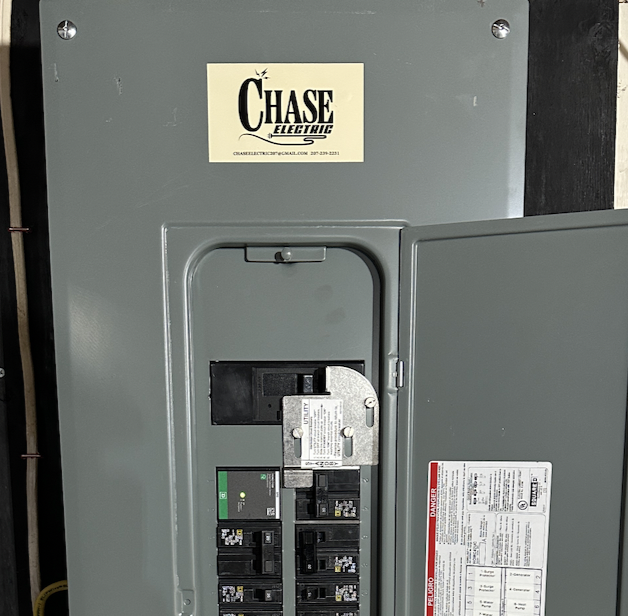
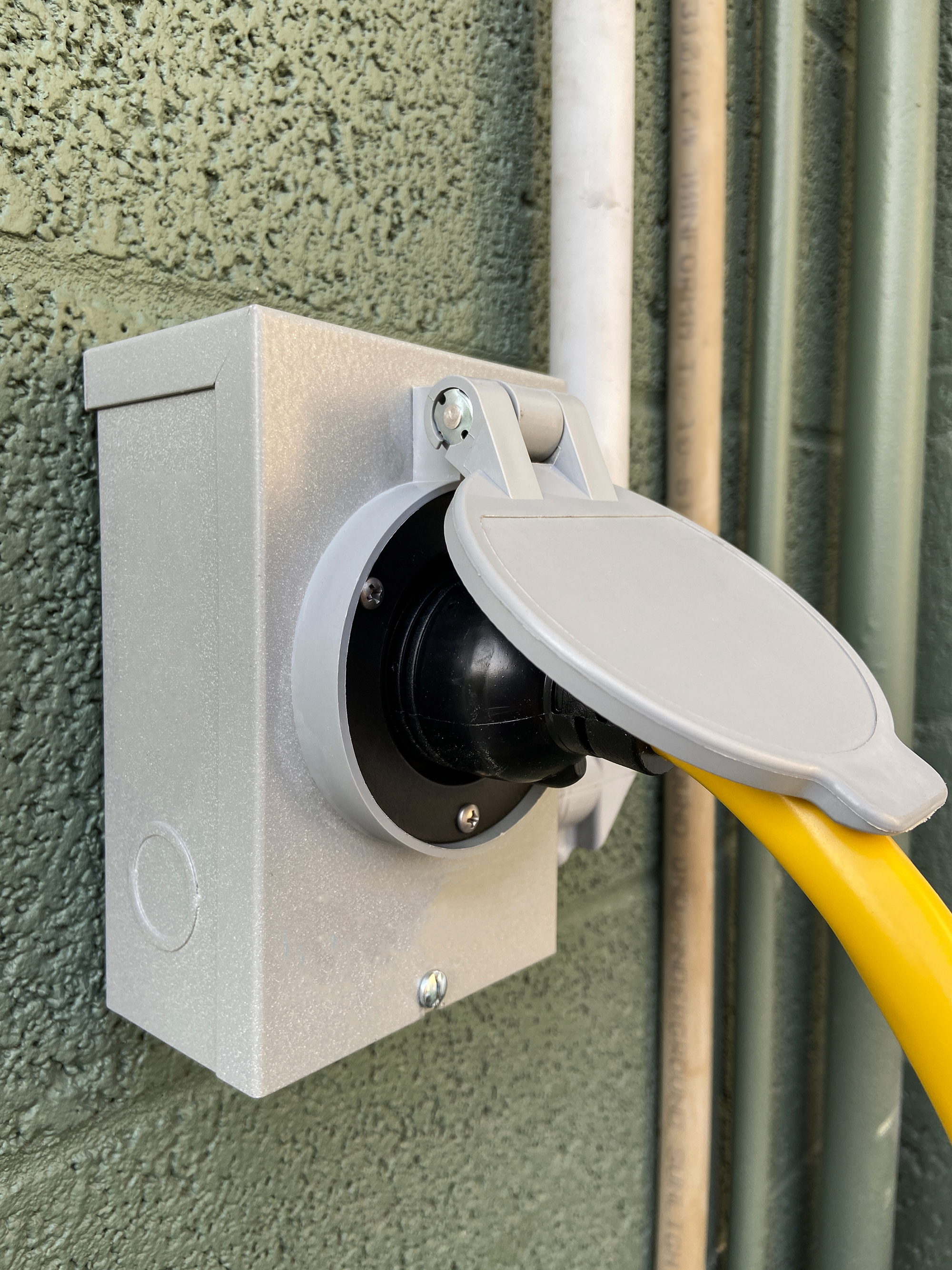
A generator interlock kit is a sliding metal plate that mounts on your main electrical panel. It physically prevents the main breaker and the generator backfeed breaker from being on at the same time. That is the whole safety mechanism. When you flip the generator breaker on, the interlock forces the main breaker off, so power from your portable generator cannot back-feed onto the utility grid. Combined with an exterior inlet box and a generator-rated cord, this is a fully code-compliant way to power your house from a portable generator, and it is the most affordable option.
Interlock kits are panel-brand specific. There are kits for Square D, Eaton, Siemens, GE, and a few others. We match the right kit to your panel during the site visit and install everything to manufacturer spec.
Option 2: Generator Transfer Switch Installation
A manual transfer switch is a separate small panel that mounts next to your main electrical panel. It contains a fixed set of circuits, typically six to ten, that can be switched from utility power to generator power one at a time. When the power goes out, you start your generator, flip the transfer switch circuits over, and you have backup power on those specific loads. When utility power comes back, you flip them back.
Transfer switches cost more than interlock kits but they are easier to operate and more contained. You pick the circuits you want backed up (well pump, fridge, heat blower, a few lights) during the install, and from then on the system is dummy-proof during an outage. For homeowners who want a portable generator setup their spouse or kids can operate confidently, a transfer switch is often the better choice.
Which One Is Right for You?
Both are legal and code-compliant. The differences:
✓ Interlock kits cost less and let you run any circuit in your house, one at a time, as long as you manage your generator's load capacity manually.
✓ Transfer switches cost more but let you flip a small number of pre-selected circuits over without thinking about it.
✓ Interlock kits use your existing main panel. Transfer switches add a small dedicated panel.
✓ For small portable generators (5 to 9 kW) and homeowners comfortable managing loads, interlocks usually win.
✓ For homeowners who want set-it-and-forget-it operation, transfer switches usually win.
We will walk through both options during the quote and recommend what fits your specific situation.
What's Included in Either Install
✓ Exterior weatherproof inlet box (typically a 30 amp or 50 amp connection)
✓ Generator-rated wiring from the inlet to your panel
✓ Either an interlock kit matched to your panel brand, or a manual transfer switch with circuit selector
✓ Dedicated backfeed breaker (for interlock installs)
✓ Permit pulled with your town
✓ Final inspection scheduled
✓ Walkthrough on how to safely start, connect, and shut down the generator during an outage
Why a Permit and a Licensed Electrician Matter
A portable generator improperly connected to a house can kill the utility lineman working to restore power down the street. That is not an exaggeration. Maine code requires that any permanent connection between a generator and a house electrical panel be installed by a licensed electrician and inspected. We pull the permit, install to code, and schedule the inspection. It is a few hundred dollars more than a YouTube install, and it is the difference between a setup that protects your family and one that exposes you to real liability.
Frequently Asked Questions
How much does a portable generator hookup cost?
1
An interlock kit install typically runs $750 to $1,400. A manual transfer switch install typically runs $1,200 to $1,800. Both prices include the inlet box, wiring, breakers, permit, and inspection. Final cost depends on the distance between your panel and the exterior inlet box, and any code corrections needed.
How do I connect a portable generator to my house?
2
You need three things: an exterior inlet box, a generator-rated cord that matches the inlet, and either a panel interlock kit or a manual transfer switch inside. With those installed, you start the generator outside, plug the cord between the generator and the inlet, and either flip the interlock-protected backfeed breaker (interlock) or move circuits over on the transfer switch. Never run an extension cord from a generator into a window. It is illegal and it back-feeds the grid.
What size generator do I need?
3
Most Maine homeowners do well with a 5 to 9 kW inverter generator. That covers a well pump, fridge, heat blower motor, lights, and electronics, as long as you do not try to run all of them at the same time. A 5 kW unit is portable enough that one person can move it. We can walk through your specific essential loads during the quote.
Can I install the interlock or transfer switch myself?
4
Legally in Maine, no, not if you want it permitted, inspected, and covered by your homeowners insurance in the event of a fire. The hardware itself is simple but the permanent wiring to the panel must be done by a licensed electrician.
Ready for a quote?
Texting is one of the easiest and fastest ways to reach us. Text or call (207) 239-2231 or email ChaseElectric207@gmail.com to get started. Chase Electric proudly serves Windham, Portland, and all of Southern Maine.